MARINA TJETLAND
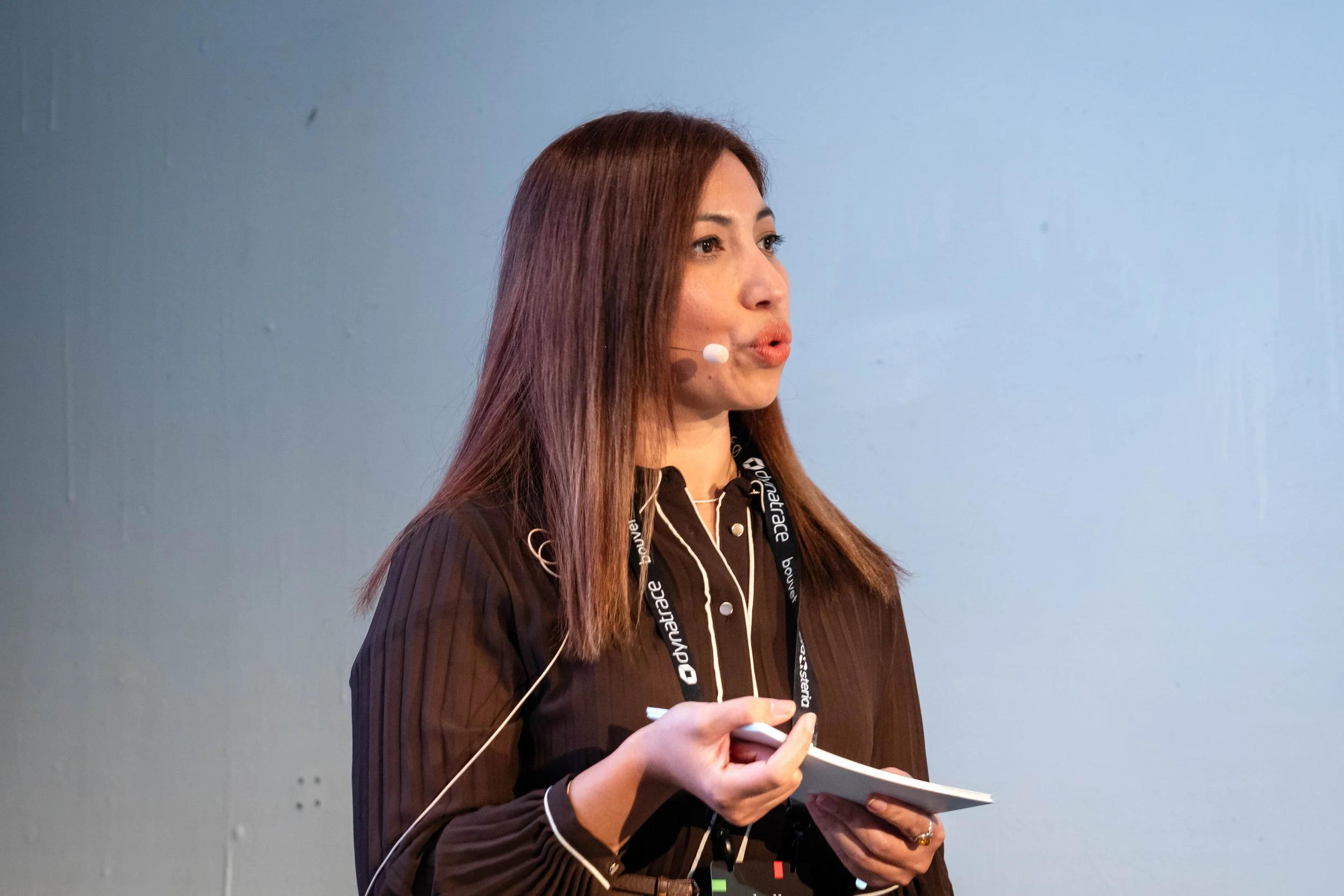
Marina Tjetland began drawing before she knew she was creating a method.
At first, she drew small moments from her own life: feelings she could not easily explain, thoughts that kept circling, and situations that felt too complex for ordinary sentences. Through drawing, comics, and visual journaling, she noticed that when an experience was placed into panels, it became easier to look at, hold, and share.
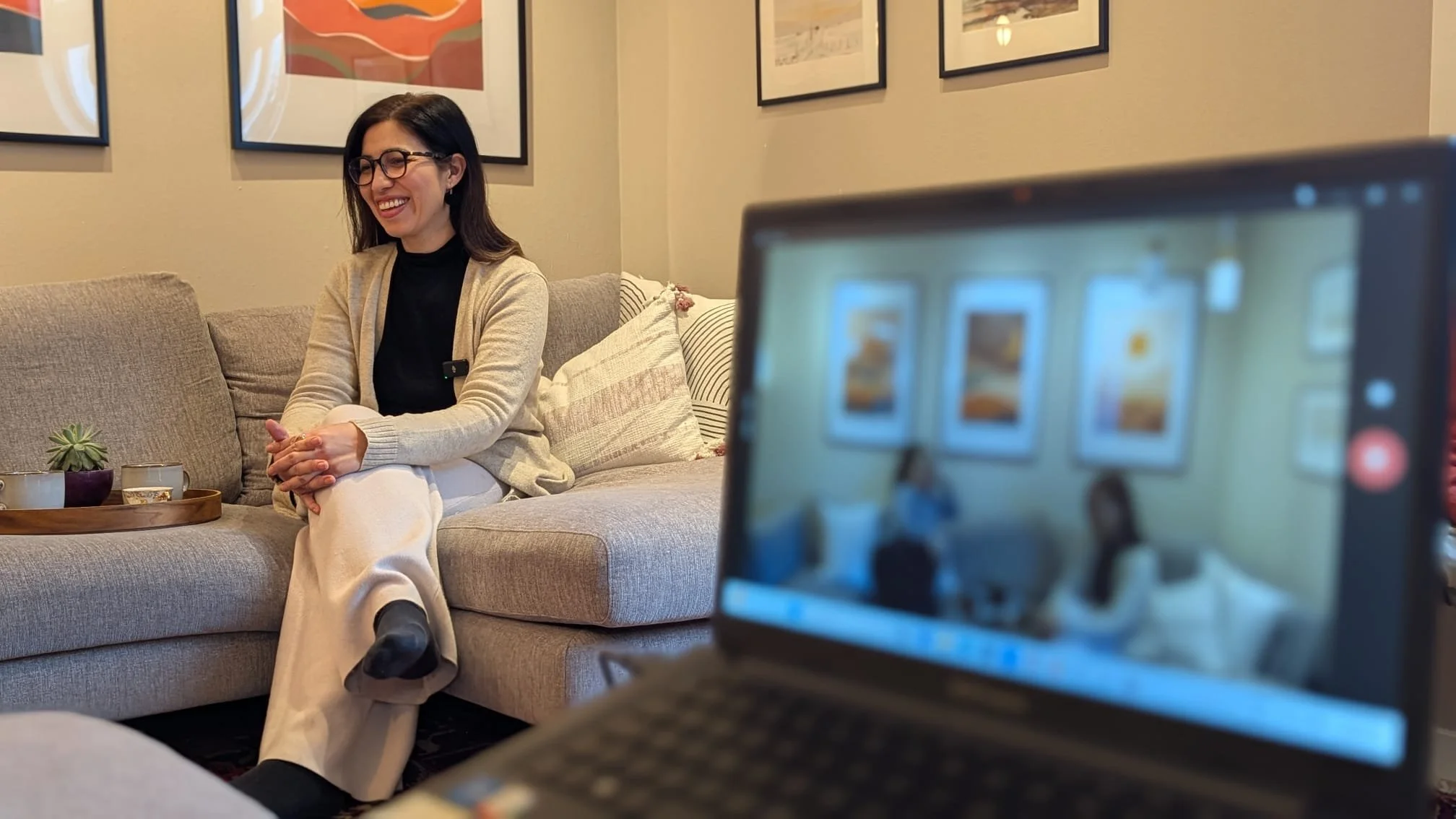
What began as a personal creative practice grew into the Visual Method™, a structured way of using simple sequential drawing for reflection, communication, and meaning-making. Marina is the founder of the Visual Method™ and develops it through workshops, talks, educational collaborations, and reflective practice.
Today, Marina works as a comic artist, writer, and facilitator, helping people use drawing not to make perfect images, but to notice, express, and understand what might otherwise stay hidden.
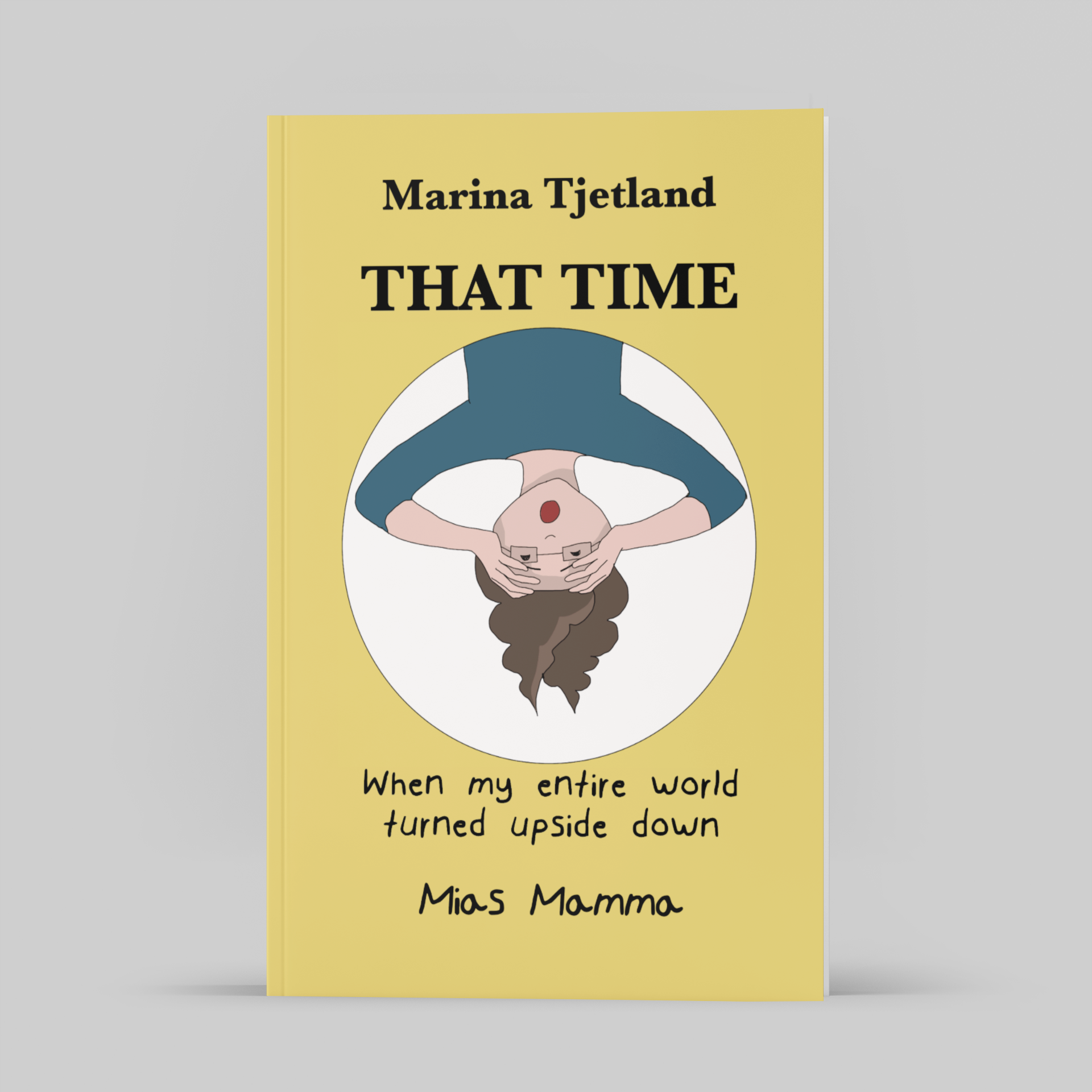
That Time: When My World Turned Upside Down
is an autobiographical comic book about childbirth and the first fragile days of motherhood. Through honest illustrations and personal reflections, Marina Tjetland captures the physical intensity, emotional vulnerability, and unexpected moments that can accompany the arrival of a child. The book opens a gentle conversation about experiences that are often difficult to put into words.
Preprint published: The Visual Method
I’m happy to share the preprint of my paper:Tjetland, M. (2026). The Visual Method: A Practice-Based Approach to Reflection and Meaning-Making Through Sequential Comic Drawing [Preprint]. Zenodo. https://doi.org/10.5281/zenodo.20748198
This paper is the first academic articulation of the Visual Method, a structured approach to reflection, communication, and meaning-making through simple sequential drawing and comic-based visual storytelling.
Drawing on 56 documented applications across community, educational, professional, and organisational contexts, the paper explores how low-threshold drawing, sequence, metaphor, and guided reflection can help make emotions, experiences, relationships, and abstract ideas more visible and discussable.
The paper is published as a preprint, which means it has not yet been peer reviewed. I wanted to make it publicly available as an important step in giving the method a clearer academic foundation and a citable form.
You can read the preprint here:
https://doi.org/10.5281/zenodo.20748198